Key takeaways
- Loratadine oral tablets are an over-the-counter (OTC) medication used to treat symptoms of respiratory allergies, like a runny nose, sneezing, watery eyes, and a scratchy throat. It’s approved for use in adults and children ages 6 years and older.
- Loratadine belongs to a group of drugs called antihistamines. Other common OTC antihistamines include diphenhydramine (Benadryl), fexofenadine (Allegra), and cetirizine (Zyrtec).
- Loratadine comes in several forms, including tablets, chewable tablets, orally disintegrating tablets (ODT), and liquid-filled capsules. However, all forms contain the same strength: 10 milligrams (mg) per dose.
If you have allergies, your doctor or pharmacist may recommend taking loratadine. It’s a generic drug that you can buy over the counter, which means you don’t need a prescription.
Loratadine is used in adults and certain children to treat upper respiratory allergies, such as hay fever or pet allergies. Loratadine can relieve symptoms of these allergies, such as:
- runny nose
- sneezing
- itchy nose or throat
- itchy, watery eyes
Loratadine basics
Loratadine belongs to a group of drugs called antihistamines.
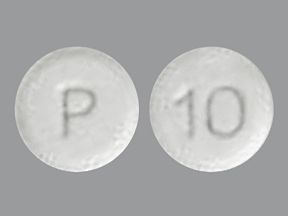
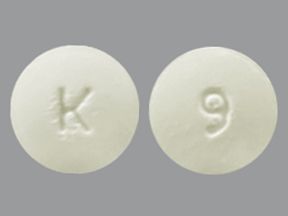
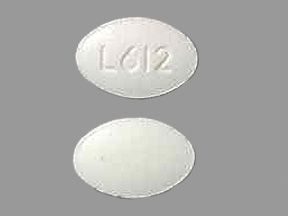
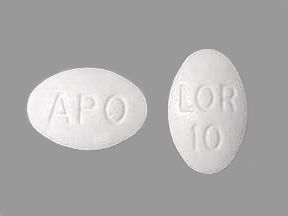
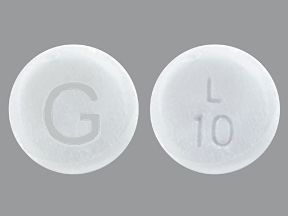
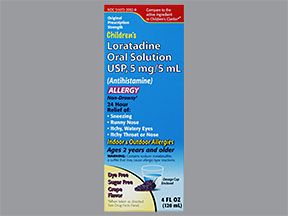
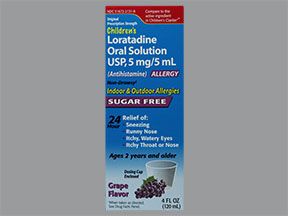
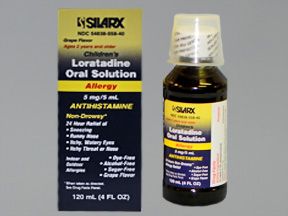
Loratadine comes as a tablet that you swallow. It’s also available as a capsule, liquid solution, and dissolving tablet, but those are not covered in this article.
Read on to learn more about loratadine’s uses, side effects, and other important information.
Loratadine brand-name versions
Loratadine is a generic drug, which means it’s an exact copy of the active drug in a brand-name medication. The brand-name medication that loratadine is based on is called Claritin.
Generic drugs are thought to be as safe and effective as the brand-name drug they’re based on. In general, generics usually cost less than brand-name drugs do.
If you’d like to know more about taking Claritin instead of loratadine, talk with your doctor. And explore this Healthline article to learn more about the differences between generic and brand-name drugs.
Like most drugs, loratadine may cause mild or serious side effects. The lists below describe some of the more common side effects that loratadine may cause. These lists don’t include all possible side effects.
Keep in mind that side effects of a drug can depend on:
- your age
- other health conditions you have
- other medications you take
Your doctor or pharmacist can tell you more about the potential side effects of loratadine. They can also suggest ways to help reduce side effects.
Mild side effects
Here’s a short list of some of the mild side effects that loratadine can cause. To learn about other mild side effects, talk with your doctor or pharmacist.
Mild side effects of loratadine that have been reported include:
- headache
- diarrhea
- drowsiness
- dry mouth
- fatigue (low energy)
- mild allergic reaction
Mild side effects of many drugs go away within a few days to a couple of weeks. But if they become bothersome, talk with your doctor or pharmacist.
Serious side effects
Serious side effects, including severe allergic reactions, are possible with loratadine. However, they aren’t common.
If you have serious side effects from loratadine, call your doctor right away. But if you think you’re having a medical emergency, you should call 911 or your local emergency number.
Experiencing side effects? After the Food and Drug Administration (FDA) approves a drug, it tracks and reviews side effects of the medication. If you develop a side effect while taking this drug and want to tell the FDA about it, visit MedWatch or call 800-FDA-1088.
The information below describes the loratadine dosage that’s commonly used or recommended. If you’re unsure about what dosage to take, ask your doctor or pharmacist.
Form
Loratadine comes as a tablet that you swallow.
Strength: 10 mg
The loratadine tablet is available in one strength of 10 milligrams (mg).
Recommended dosages
The typical dosage of loratadine is 10 mg taken once per day. This is the same for adults and children ages 6 years and older.
10 mg is also the maximum recommended dosage for a 24-hour period.
Questions about loratadine’s dosage
Below are some common questions about loratadine’s dosage.
- Will I need to use loratadine long term? You should take loratadine only when needed to relieve your allergy symptoms. How long you need to take loratadine depends on what causes (or triggers) your allergy symptoms. For example, if you’re allergic to cats, you might take loratadine for a few days while visiting a friend with a cat. But if you’re allergic to grass pollen, you might want to take loratadine throughout the spring and summer.
- How long does loratadine take to work? Loratadine usually starts working about 1 hour after you take a dose.
What should be done in case of overdose?
You should not take more than 10 mg of loratadine in 24 hours. And you should not take loratadine with other antihistamines unless your doctor or pharmacist specifically advises that it’s safe to do so.
Taking too much loratadine or more than one antihistamine at a time when you’re not directed to can cause an antihistamine overdose.
What to do in case you take too much loratadine
Call your doctor if you think you’ve taken too much loratadine. You can also call 800-222-1222 to reach Poison Help or use its online resource. But if you have severe symptoms, immediately call 911 or your local emergency number. Or go to the nearest emergency room.
Find answers to some commonly asked questions about loratadine.
Loratadine belongs to a group of drugs called antihistamines. Other antihistamines available for treating allergies include:
- cetirizine (Zyrtec)
- fexofenadine (Allegra)
- diphenhydramine (Benadryl)
- desloratadine (Clarinex)
Most antihistamines are similarly effective, but you may find that one works better for you than another.
Your doctor or pharmacist may recommend a certain antihistamine depending on the symptoms you have. For example, loratadine is typically recommended for upper respiratory symptoms. Other antihistamines may be suggested for treating itching associated with hives or skin allergies.
Some antihistamines cause drowsiness. For example, diphenhydramine commonly causes drowsiness. When taken as directed, loratadine, fexofenadine, and cetirizine usually cause much less drowsiness.
To learn more about how loratadine compares with other antihistamines, talk with your doctor or pharmacist. They can help you decide which medication may be best for you.
No, loratadine doesn’t usually cause these side effects.
Most people don’t feel drowsy or sleepy while taking loratadine as directed. But some people have reported mild drowsiness while taking loratadine.
High blood pressure has been reported with loratadine. It’s unknown how often this occurs, but it’s likely rare.
No, with loratadine tablets, you should not take a 5-mg or 20-mg dose.
The recommended dosage of loratadine is one 10-mg tablet in 24 hours. Taking a higher dose of loratadine, such as 20 mg, may cause an antihistamine overdose or increase your risk of side effects.
In addition, loratadine tablets only come in a 10-mg strength. They’re not scored and not meant to be split in half to make a 5-mg dose.
Yes, veterinarians sometimes recommend loratadine to treat allergies in dogs. But this is an off-label use for loratadine. (Off-label use refers to using a drug for a purpose that the FDA has not approved.)
You should not give loratadine to your dog unless your veterinarian has recommended it. Your veterinarian can tell you more about using loratadine in pets.
No, loratadine isn’t known to cause any long-term side effects. It’s generally considered safe to take this drug long term.
Loratadine may interact with other conditions you have, other medications you take, and certain tests you may have. You should talk with your doctor or pharmacist about your health history and other treatments before taking loratadine.
Some things to consider are discussed below.
Interactions with drugs or supplements
Loratadine doesn’t usually interact with other medications. But you may be more likely to feel drowsy or sleepy if you take it with other drugs that make you feel sleepy. Examples of these drugs include:
- sleeping pills
- some anxiety drugs
- sedating antihistamines, such as diphenhydramine (Benadryl)
- certain strong pain relievers
This list does not contain all types of drugs that may interact with loratadine. Your pharmacist can tell you more about these interactions and any others that may occur when taking loratadine.
Other interactions
Loratadine can affect the results of allergy tests, such as skin tests you may have to check for certain allergies.
If you’re planning to have an allergy test done, your doctor will likely recommend that you do not take loratadine for a few days beforehand.
Warnings
Loratadine can sometimes cause harmful effects in people who have certain conditions. This is known as a drug-condition interaction. Other factors may also affect whether loratadine is a good treatment option for you.
Talk with your pharmacist about your health history before you take loratadine, especially if any of the following apply to you:
- liver or kidney problems
- previous allergic reaction to loratadine or Claritin
- pregnancy or breastfeeding
- heavy alcohol consumption
Drug costs can vary depending on many factors, including which pharmacy you use and whether you qualify for any savings programs.
As an OTC medication, traditional insurance plans typically don’t cover the cost of loratadine. However, you may be eligible for a third-party savings program to help lower the cost of your medication.
If you have questions about taking loratadine, talk with your doctor or pharmacist. Some examples of questions you may want to ask include:
- How effective is loratadine?
- Can I take loratadine to prevent allergies?
- How long should I take loratadine?
- Can I take loratadine with other allergy treatments?
To get information on different conditions and tips for improving your health, subscribe to any of Healthline’s newsletters. You may also want to check out the online communities at Bezzy. It’s a place where people with certain conditions can find support and connect with others.
Disclaimer: While Healthline strives for factual, comprehensive, and current information, this article is not a substitute for a licensed healthcare professional’s expertise. Always consult a doctor before taking or discontinuing any medication. Drug information is subject to change and may not cover all uses, directions, precautions, warnings, interactions, reactions, or adverse effects. The lack of a warning does not guarantee a drug’s safety, effectiveness, or appropriateness for all patients or specific uses. Learn more about our approach to content integrity.