














The Fast Facts
- Smart baby monitors can track vitals like oxygen levels, pulse rate, breathing motion, and movement to offer peace of mind. However, they are not a replacement for following safe sleep guidelines.
- Some monitors use wearable devices like foot socks or diaper clips, while others track vitals through video feeds or under-mattress sensor pads.
- Our editors selected the Owlet Dream Sock as best for tracking breathing and oxygen levels and the CuboAi as the best smart monitor.
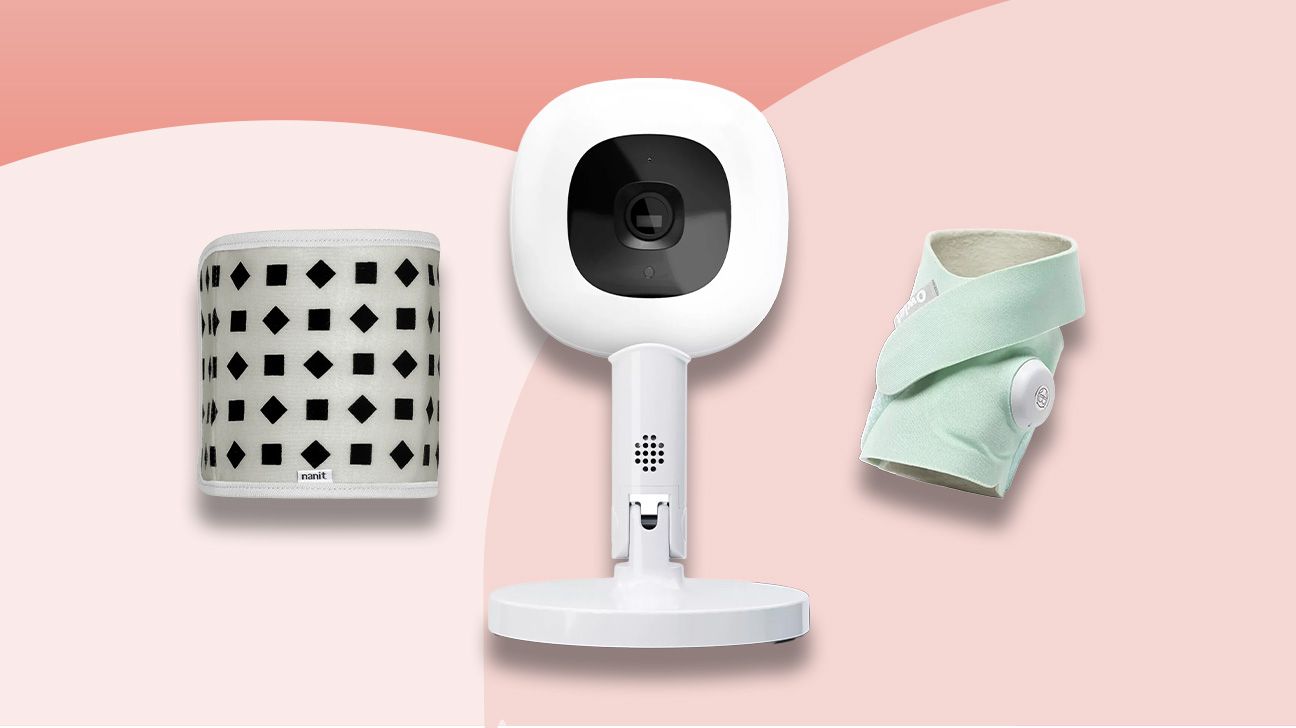
Smart baby monitors that track vitals are on the rise to support parents and offer peace of mind. They may be able to track noise, movement, and in some cases, oxygen levels.
The monitors on this list are reputable and have good reviews. However, it’s worth noting that according to The Lullaby Trust, there is no evidence that baby monitors prevent sudden infant death syndrome (SIDS). The American Academy of Pediatrics (AAP) also does not recommend the use of home monitors to prevent SIDS.
We chose these smart baby monitors based on customer experiences, safety, tracking options, and more. We have also vetted all products to ensure that they meet Healthline’s medical and business standards.
When buying a smart baby monitor, there are several factors to consider, including:
- Wearable devices: Some monitors require you to put a device on your baby to track their vitals, such as a diaper clip, sock, or band. Others can track your baby’s movements through the video feed or under-mattress sensors. What you want to track and how may affect which monitor is right for you.
- Wi-Fi connectivity: Non-Wi-Fi monitors are growing in popularity to ensure monitors are secure and hack-proof. It also gives families more peace of mind, knowing, if they have an unstable internet connection, they can still use their baby monitor.
- Video: It’s a good idea to consider if you want a video feed or audio-only. Some people may also have multiple children and wish to connect multiple cameras.
- App: Consider what level of insights you may want from your monitor. Many monitors come with a stand-alone unit to watch your baby and offer an additional app subscription to analyze your baby’s sleep, while others function fully from an app. Some companies offer sleep analysis at an additional membership cost.
- Price: Smart baby monitors can start at a higher price point. However, there are more affordable options if you’re content with simple tracking and not looking for detailed sleep analysis.
- Customer reviews: It’s a good idea to hear from other parents who have tried these monitors firsthand. We’ve included our editors’ experiences and feedback, as they have tried and tested the Nanit and CuboAI monitors.
What our editors looked for in a baby monitorA Healthline editor shared, “When we were looking for monitors, we wanted something that could track baby’s vitals and keep her safe, for example by measuring temperature, breathing rate, etc.
“We’re both anxious parents, and even though we knew a smart monitor might play into those anxieties, I’d say it really helped us as new parents to understand what is a real risk vs. what is safe for our baby.”
Another editor, Ellie-Louise, shares what she looked for when shopping for baby monitors. “Having a Wi-Fi-free monitor was important for our family. We wanted to be able to have peace of mind that the camera wouldn’t get hacked and the monitor would work if our internet connection went down.”
While some baby monitors have been medically certified, smart baby monitors that track vitals are not a replacement for medical intervention or safe sleep practice. It’s still advised to follow safe sleep guidelines like the ones outlined by the Lullaby Trust. For example, the Lullaby Trust recommends staying in the same room as your baby for at least the first 6 months of their life while they sleep.
The
Both monitors require you to put a wearable device on your baby and to have a stable internet connection for full functionality.
There are several smart baby monitors to choose from that track vitals. Some monitors require wearable devices to track breathing rate and oxygen levels, while others use under-mattress sensors and video to track movement.
The best one depends on your budget and tracking needs. Parents may also consider how many cameras they need and if they want to connect to the internet for enhanced analysis.