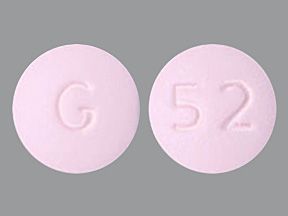
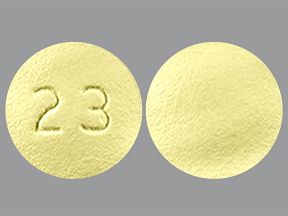
Key takeaways
- Primary use: Solifenacin oral tablet treats symptoms of overactive bladder (OAB), including frequent urination and sudden urges to urinate.
- Typical dosage: Usually 5 mg, taken once per day. Depending on how your body responds, a doctor may increase this to 10 mg once per day.
- More common side effects: May include dry mouth, constipation, blurred vision, and urinary tract infections (UTIs). This drug also may cause drowsiness, so avoid driving or operating heavy machinery until you know how it affects you.
- Warning: You should not take solifenacin if you have urinary retention, gastric retention, or uncontrolled narrow-angle glaucoma.
This article explains what you need to know about solifenacin (“so-li-FEN-a-sin”) oral tablets to help you understand how this medication works, its doses and side effects, and how to stay safe.
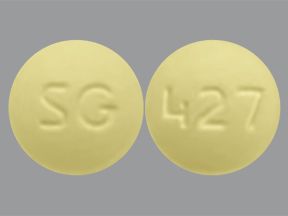
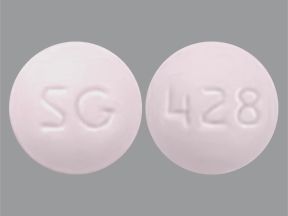
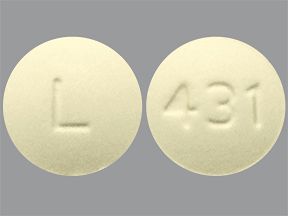
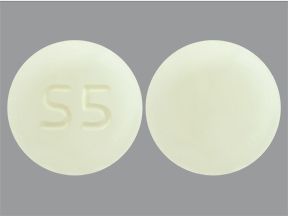
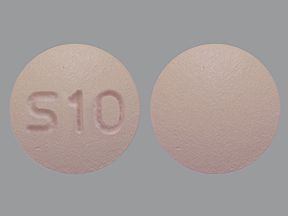
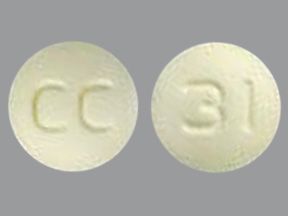
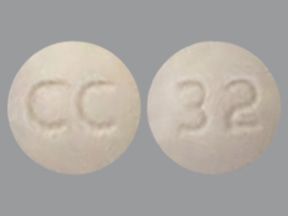
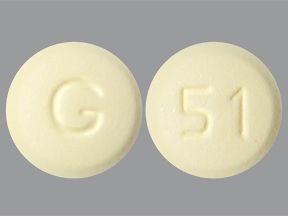
Solifenacin oral tablet is a prescription medicine used to treat overactive bladder (OAB) in adults.
When you have an overactive bladder, the muscles in your bladder wall contract (squeeze) when they aren’t supposed to. This causes three main symptoms:
- urinary urgency: a sudden, strong need to urinate right away
- urinary frequency: needing to go to the bathroom more times than usual during the day (including at night)
- urge incontinence: accidental leaking or wetting because you couldn’t reach a bathroom in time
Solifenacin oral tablet is a generic drug. In the past, solifenacin was also available as the brand-name oral tablet called Vesicare. That brand-name medicine has been discontinued.
Solifenacin belongs to a class of drugs called anticholinergic urinary antagonists. These drugs work by calming the overactivity of the muscle responsible for pushing urine out of the bladder. This helps the bladder hold more urine and stops the “emergency” feeling of needing to urinate immediately.
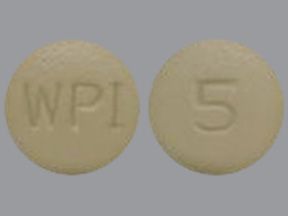
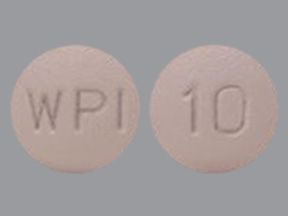
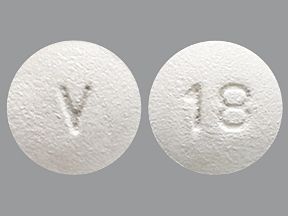
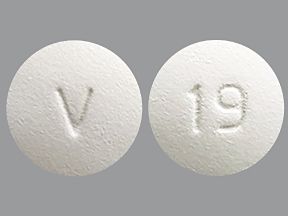
The typical starting dose of solifenacin oral tablet is one 5 milligram (mg) tablet, taken once per day. If the 5 mg per day dosage doesn’t help you enough, your doctor may increase your dosage to 10 mg per day.
Your doctor will tell you how much solifenacin oral tablet to take. You should always follow their instructions.
How to take it
Take the tablet with water or other liquid. You must swallow the tablet whole. Do not chew, crush, or break it. You can take solifenacin oral tablet with or without food.
Most side effects of solifenacin oral tablet are mild, but they can be uncomfortable. The most common solifenacin side effects are:
| Side effect | Symptoms (what it feels like) |
|---|---|
| dry mouth | Your mouth feels dry or “sticky.” |
| constipation | You have less frequent and more difficult bowel movements. |
| blurred vision | Things look fuzzy or out of focus. |
| urinary tract infection (UTI) | Pain or burning when you urinate. |
Solifenacin can also cause other mild side effects as well. For more details, see the solifenacin oral tablet prescribing information.
Serious side effects
Serious risks and side effects of solifenacin oral tablet can include:
- Severe swelling: Some people can have a serious reaction to solifenacin called angioedema where their face, lips, tongue, or throat swells up. This can make it hard to breathe. If this happens, seek emergency medical help immediately.
- Heatstroke: This medication makes you sweat less. In hot weather or during heavy exercise, your body can overheat quickly, leading to dangerous heatstroke.
- Sleepiness, dizziness, or blurred vision: Solifenacin can make you sleepy or dizzy and can affect your vision. Do not drive or use heavy machinery until you know how it affects you.
Solifenacin can also cause other serious effects as well. For more details, see solifenacin oral tablet’s prescribing information.
Important: Call your doctor right away if you have serious side effects. Call 911 if your symptoms feel life-threatening or if you think you’re having a medical emergency.
Allergic reactionFor some people, solifenacin can cause an allergic reaction. In general, symptoms of an allergic reaction can be mild or serious.
What might help
If you have mild symptoms of an allergic reaction, such as a mild rash, call your doctor right away. They may suggest a treatment to manage your symptoms and can determine whether you should keep taking solifenacin.
If you have symptoms of a severe allergic reaction, such as swelling or trouble breathing, call 911 or your local emergency number right away. These symptoms could be life threatening and require immediate medical care.
If your doctor confirms you’ve had a serious allergic reaction to solifenacin oral tablet, they may have you switch to a different treatment.
Solifenacin oral tablet can interact with other medications, vitamins, or herbs you may be taking. An interaction is when a substance changes the way a drug works. This can be harmful or prevent the drug from working well.
To help avoid interactions, tell your doctor about all medications, vitamins, or herbs you’re taking.
Interaction with ketoconazole
Taking the antifungal drug ketoconazole with solifenacin oral tablet can increase the amount of solifenacin in your body. This may lead to more side effects. Your dosage of solifenacin oral tablet shouldn’t be higher than 5 mg per day if you’re also taking ketoconazole.
Solifenacin oral tablet is not safe for everyone. You should not take this medicine if you have certain health conditions, including:
- urinary retention (you have a hard time emptying your bladder)
- gastric retention (your stomach empties too slowly into your intestines)
- uncontrolled narrow-angle glaucoma (a serious eye condition caused by high pressure in the eye)
Precautions
Before taking solifenacin oral tablet, discuss your health history with your doctor. This drug may not be right for you if you have certain medical conditions or other factors affecting your health. Be sure to talk with your doctor if any of the following apply to you:
- liver problems
- kidney problems
- irregular heart rate
- stomach or intestinal problems or problems with constipation
- trouble emptying your bladder or a weak urine stream
- narrow angle glaucoma
- previous allergic reaction to this or a similar drug
- pregnancy or breastfeeding
Do not take more solifenacin oral tablet than your doctor recommends. Doing so could lead to harmful effects, including:
- blurred vision
- tremors
- loss of consciousness
If you think you’ve taken too much of this drug, call your doctor or seek guidance from America’s Poison Centers (online or via phone at 800-222-1222). But if your symptoms are severe, call 911 or go to the nearest emergency room right away.
As with all medications, the cost of solifenacin can vary. The price you pay for solifenacin oral tablet may depend on several things, including your ADHD treatment plan and the pharmacy you choose.
Here are a few things to consider to help lower your cost:
- Comparing pharmacies: Compare prices at several pharmacies to find the lowest cost.
- Drug coupons: You may be able to find drug coupons on prescription discount websites that can reduce the cost of your medication. These coupons cannot be used with insurance copays or benefits, but the discounted price may be lower than what you would pay through insurance.
- Financial assistance: Some websites provide details about drug assistance programs, ways to make the most of your insurance coverage, and links to savings cards and other services. Two such websites are:
If you forget a pill, just take your next dose the following day. Do not take two doses of solifenacin at the same time.
Yes. Solifenacin is prescribed for long-term treatment of overactive bladder (OAB). If you and your doctor find it is safe and effective for you, you’ll probably take it long term.
Keep bottles of solifenacin oral tablets tightly closed in a safe, dry place at room temperature: 68°F to 77°F (20°C to 25°C).
Keep this medicine out of reach of children.
Solifenacin is a generic medicine that helps people who have an overactive bladder. The brand-name version of solifenacin is called Vesicare. It works by relaxing muscles in your bladder so you don’t feel like you have to go to the bathroom as often.
Most people take one solifenacin tablet per day. More common side effects include dry mouth and blurry vision. If you have any questions or concerns about side effects while taking solifenacin, talk with your doctor or pharmacist.
Disclaimer: While Healthline strives for factual, comprehensive, and current information, this article is not a substitute for a licensed healthcare professional’s expertise. Always consult a doctor before taking or discontinuing any medication. Drug information is subject to change and may not cover all uses, directions, precautions, warnings, interactions, reactions, or adverse effects. The lack of a warning does not guarantee a drug’s safety, effectiveness, or appropriateness for all patients or specific uses. Learn more about our approach to content integrity.